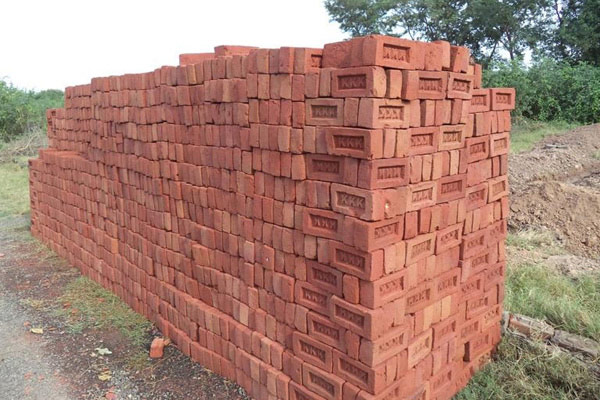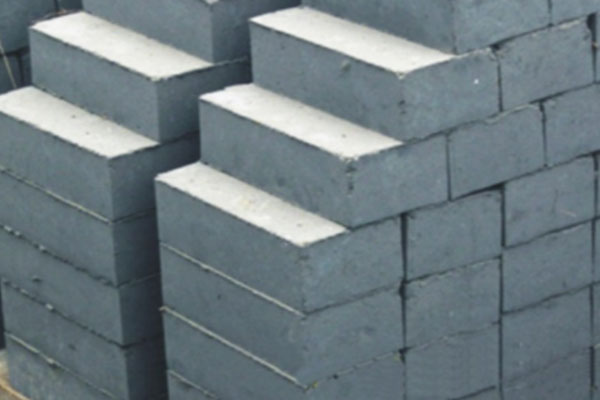
Is your building still relying on old-school red bricks?
It’s time to upgrade to the future of wall construction. AAC Blocks (Autoclaved Aerated Concrete) are precision-engineered building blocks designed to make your walls stronger, lighter, and incredibly insulated against heat and sound. Whether you are building a modern high-rise apartment, a commercial complex, or your dream independent house, our premium AAC blocks help you finish construction up to 3× faster while drastically reducing your structural costs.
What are AAC Blocks?
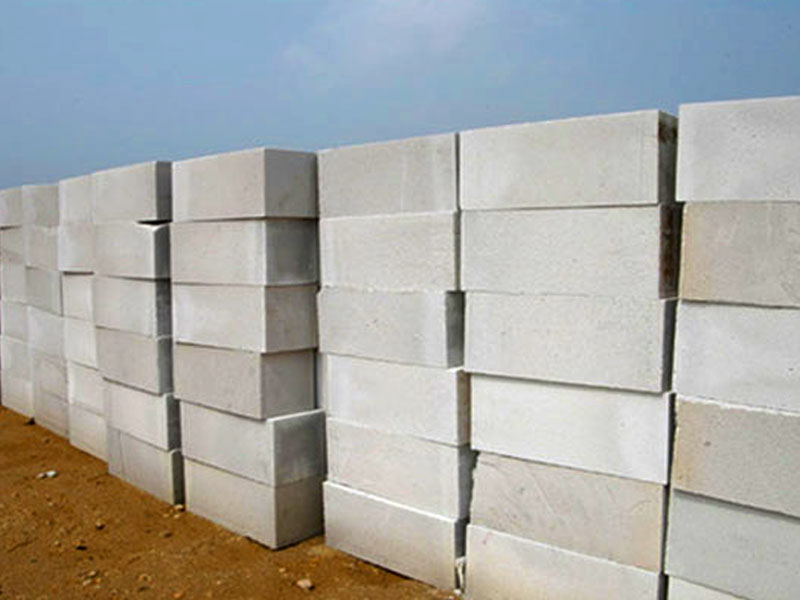
Think of an AAC block as a high-tech concrete block that has been engineered to lose weight without losing its muscle.
AAC stands for Autoclaved Aerated Concrete. If that sounds like rocket science, here is the simple breakdown:
- Aerated: During manufacturing, millions of microscopic air pockets are created inside the material (much like bread rising). This unique honeycomb-like structure makes the blocks incredibly lightweight and excellent at trapping heat and noise.
- Autoclaved: Once shaped, the blocks are baked inside a massive, high-pressure steam chamber (an autoclave). This intense curing process locks in their structural strength, making them rock-solid and highly durable.
Because they are filled with tiny air bubbles, one AAC block is roughly 3 times lighter than a traditional red brick of the same volume. Yet, they are strong enough to form the backbone of major multi-storey buildings worldwide.
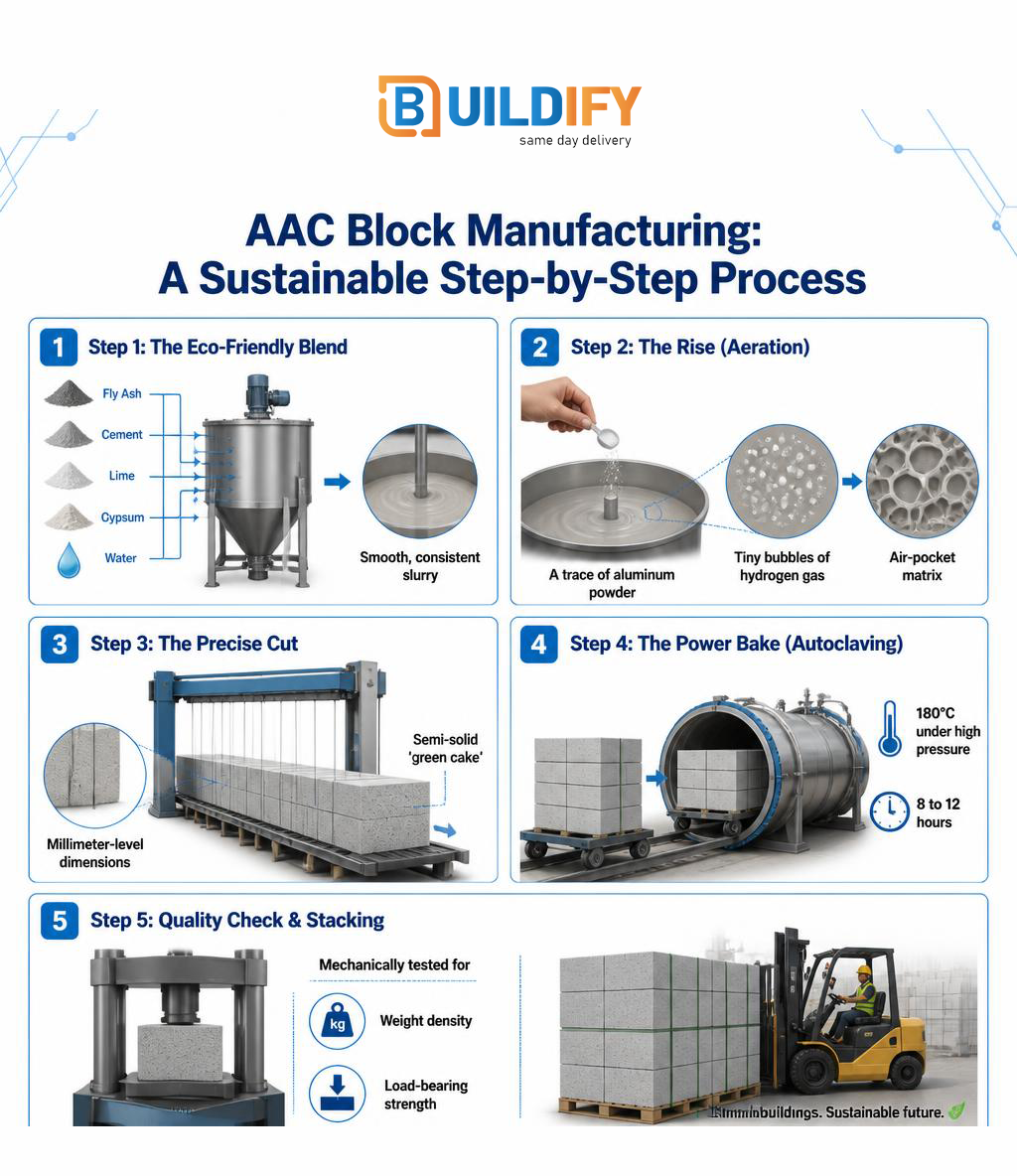
The Eco-Friendly Edge: Traditional red bricks destroy fertile agricultural topsoil and require burning massive amounts of coal. AAC blocks use recycled fly ash, consume far less energy to create, and their thermal insulation keeps buildings naturally cooler, cutting your future air conditioning bills for life.
Available AAC Block sizes, which thickness do you need?
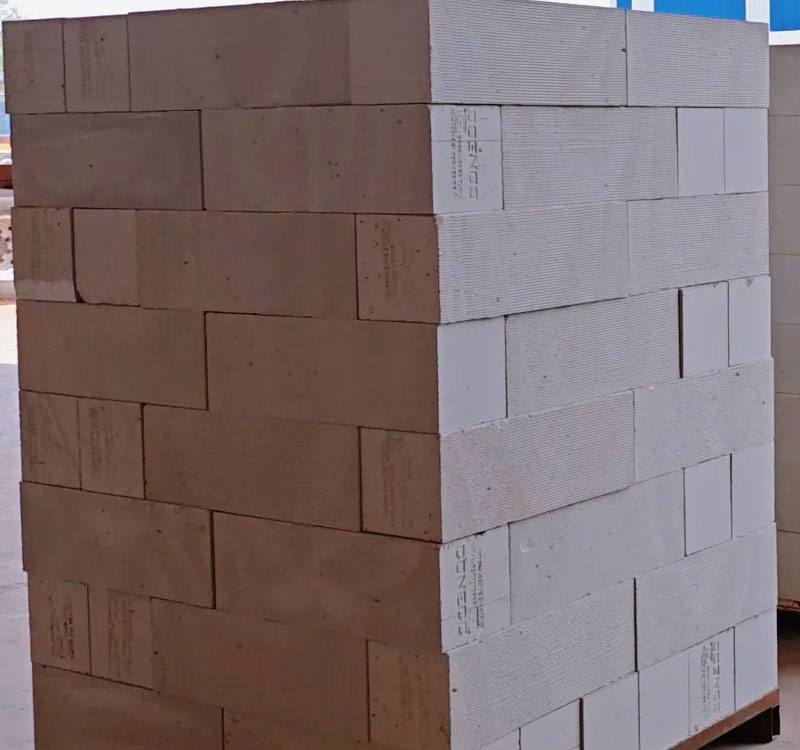
Traditional bricks come in just one standard size, forcing masons to lay row after row. AAC blocks are much larger, replacing 8 to 10 red bricks in a single go. While the length (600 mm) and height (200 mm) remain constant, you choose the thickness based on what kind of wall you are constructing:
8 Inches Thick (600 × 200 × 200 mm)
External & Outer Walls
The gold standard for your building’s exterior. Provides maximum structural safety, weather protection, and heat insulation.
6 Inches Thick (600 × 200 × 150 mm)
Internal Walls & Boundaries
Ideal for internal partition walls between rooms or perimeter boundary walls where you want high strength but need to save interior floor space.
4 Inches Thick (600 × 200 × 100 mm)
Lightweight Partitions
Perfect for bathroom dividers, office cabins, walk-in closets, or shafts. Extremely fast to install with virtually zero weight on the floor slab.
Quick Pro-Tip: For the perfect balance of cost and performance, use 8-inch blocks for all your external walls to block out the summer heat, and 4-inch or 6-inch blocks for internal room dividers to maximize your actual usable carpet area. Need structural guidance? Call our specialists at +91-9999253084.
Why are smart builders switching to AAC Blocks?
Massive Structural Savings
Because they are 3× lighter than red clay bricks, they dramatically reduce the "dead weight" of your entire building. This means your structural engineer can design slimmer columns and beams, saving you up to 15–20% on steel and concrete costs.
Natural Thermal Insulation
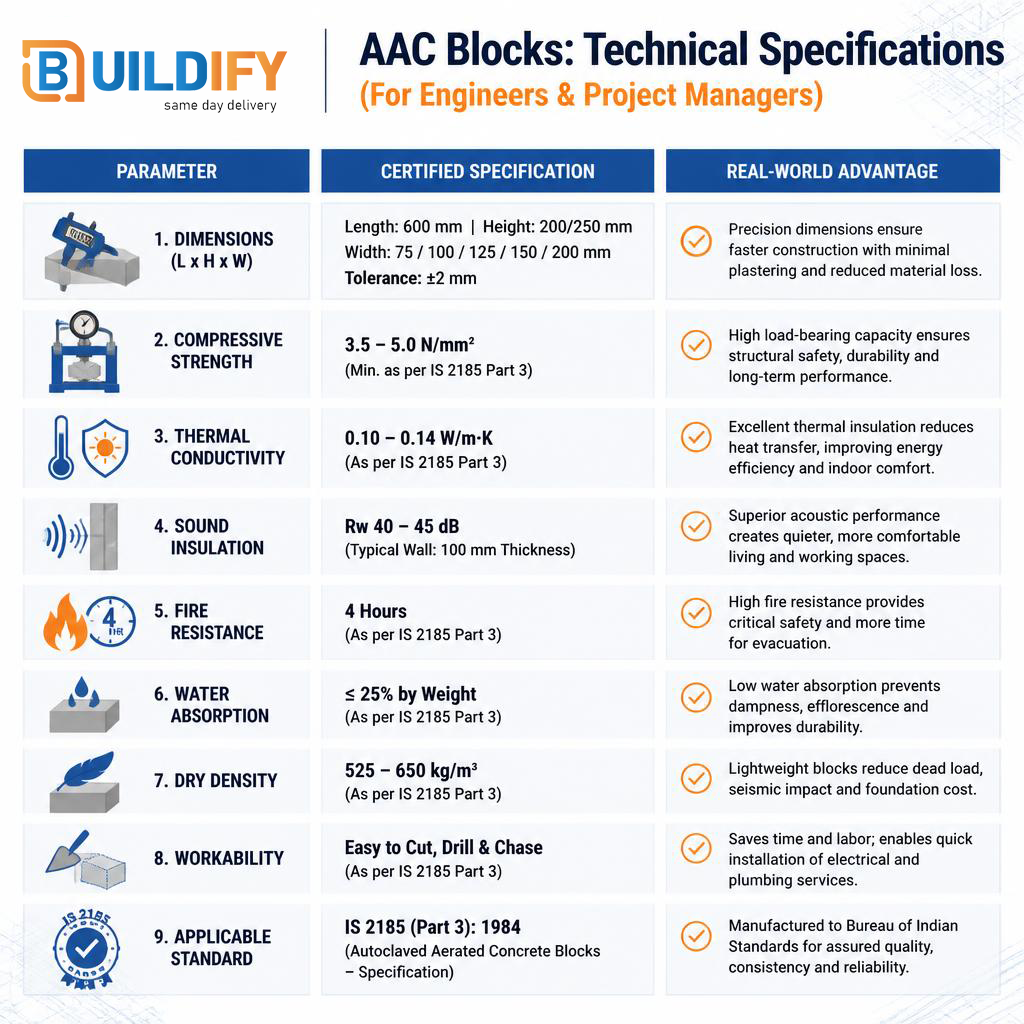
The air cells inside the block act as a natural shield against the elements. Buildings made with AAC blocks stay 3°C to 5°C cooler in the summer and warmer in the winter, lowering your monthly electricity bills.
Fast-Forward Construction Speed
Because one AAC block covers the same area as 9 standard bricks, masons can build walls up to three times faster. This cuts down your labor timelines and gets your project completed months ahead of schedule.
Superior Soundproofing
Tired of hearing street traffic or next-door neighbors? AAC blocks offer excellent acoustic insulation (up to 45 dB), giving you peaceful, quiet interiors.
4-Hour Fire Armor
AAC blocks are 100% inorganic and do not burn. A standard 8-inch wall can withstand direct exposure to fire for up to 4 hours without cracking or losing structural stability.
Perfectly Straight, Flat Walls
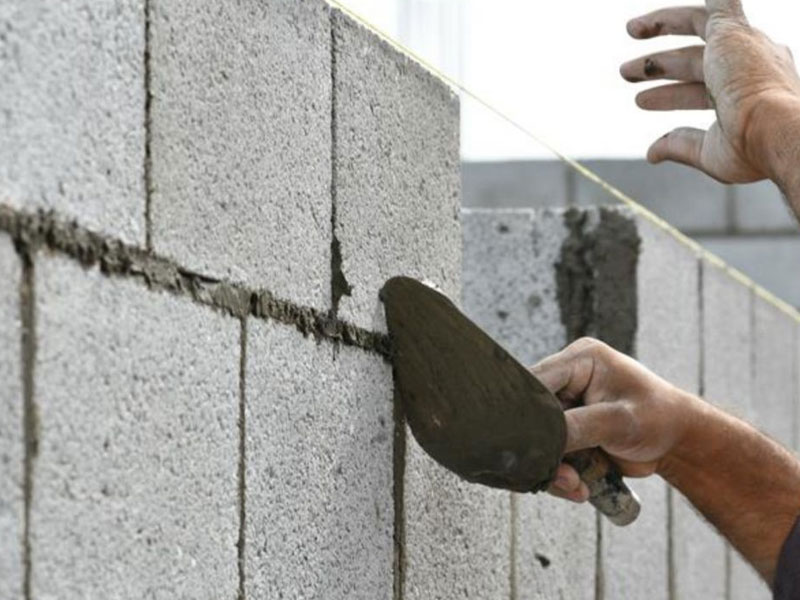
Thanks to robotic factory cutting, every block is perfectly uniform. Your walls come out incredibly straight, meaning you need a fraction of the plaster typically used to hide uneven red brick walls.
AAC Blocks vs. Fly Ash Bricks vs. Traditional Red Bricks
Let's look at the hard facts. Here is how AAC blocks stack up against traditional walling materials on a real construction site:
| Feature / Property | AAC Blocks | Fly Ash Bricks | Red Clay Bricks |
|---|---|---|---|
| Weight & Density | Super Light (~600 kg/m³) | Heavy (~1,800 kg/m³) | Heaviest (~2,000 kg/m³) |
| Speed of Laying | 3× Faster (Large size) | Standard | Slow (Tiny individual sizes) |
| Heat Protection | Excellent (Saves AC bills) | Moderate | Poor (Radiates heat) |
| Wall Plaster Needs | Minimal (Ultra-flat) | Thin Coat | Thick Coat (To fix unevenness) |
| Joint Cement/Mortar | Ultra-Low (2-3mm joints) | Standard | Very High (10-12mm thick layers) |
| Wastage on Site | Near Zero (Easy to saw) | 2% to 3% breakage | 10% or more (High breakage) |
| Termite & Pest Risk | Zero Risk (Inorganic) | Zero Risk | Low Risk |
| Earthquake Safety | Highest (Lighter walls shake less) | Moderate | Lowest (Heavy walls pose risk) |
Where are AAC Blocks best utilized?
High-Rise Residential
Crucial for upper floors to safely minimize building weight
Independent Bungalows
Chosen by homeowners for top-tier soundproofing & cool rooms
Hospitals & Hotels
Where peace, quiet, and fire safety regulations are mandatory
Commercial Offices
Allows developers to rapidly build clean, paint-ready partition walls
Industrial Storage
Perfect for warehouses to maintain controlled indoor temperatures
Common myths about AAC Blocks, completely busted!
| Myth | Fact |
|---|---|
| AAC blocks are light, so they must be weak. | While light, they possess an incredibly stable compressive strength of 3–5 N/mm². In modern RCC framed buildings (where concrete columns and beams carry the weight), AAC blocks are absolutely perfect and durable infills. |
| AAC walls cause internal moisture and dampness issues. | AAC blocks actually have fewer interconnected pores than red clay bricks, meaning water doesn't seep through them easily via capillary action. Just follow standard building practices: apply a quality external primer or a waterproof plaster coat before painting your exterior walls. |
| They are way expensive compared to normal red bricks. | While a single AAC block costs more upfront than a tiny clay brick, you save a fortune overall. Because they are perfectly square, you save on plaster. Because they are large, you save 3× on labor time. Because they use thin-bed adhesive joints, you save up to 70% on cement mortar. It actually works out cheaper per square foot of finished wall! |
| You cannot hang heavy TVs, geysers, or kitchen cabinets on an AAC wall. | While light, they possess an incredibly stable compressive strength of 3–5 N/mm². In modern RCC framed buildings (where concrete columns and beams carry the weight), AAC blocks are absolutely perfect and durable infills. |
| AAC blocks are light, so they must be weak. | You absolutely can. For light items (paintings, clocks), standard plastic wall plugs work perfectly. For heavy fixtures (large TVs, geysers, heavy cabinetry), you just need to use widely available heavy-duty toggle bolts or chemical nylon anchors. Masons and electricians work with these every single day. |