Eliminate the inconsistency of manual on-site mixing. Ready Mix Concrete (RMC) is today's most reliable structural material for pouring pillars, slabs, foundations, and heavy-duty pathways. Mixed inside computerized batching plants away from the construction zone, RMC features highly balanced aggregate ratios, precise water metrics, and targeted admixtures. Buildify delivers certified, quality-tested RMC fresh to your project site using high-capacity transit mixers.
What is Ready Mix Concrete?
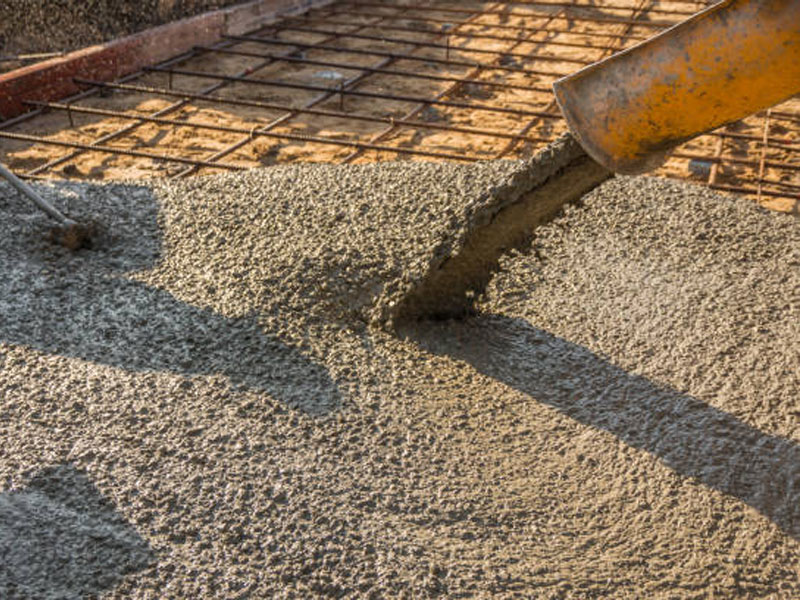
In simple terms, Ready Mix Concrete (RMC) is custom concrete that is mixed to a precise structural recipe inside a highly controlled factory batching plant, rather than by eye or shovel on a dusty road.
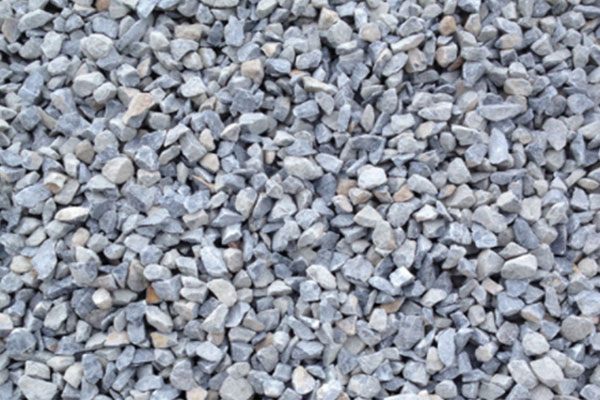
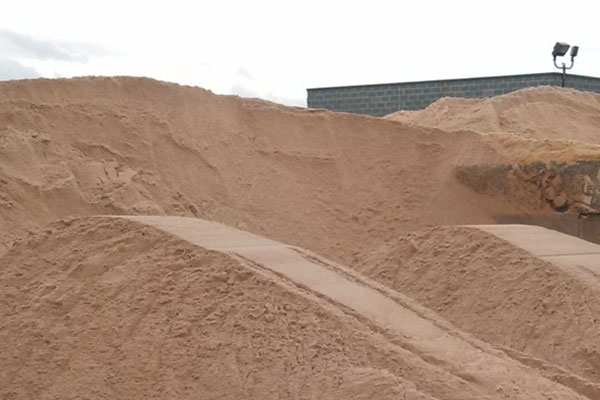
RMC combines five key ingredients according to strict engineer specifications: premium cement, 10mm and 20mm coarse aggregate stones, clean fine aggregate sand (or stone dust), water, and specialized chemical admixtures. The admixtures are crucial; they keep the concrete fluid and easy to work with during transport, preventing it from hardening before it is poured into your building's frame.
Because every single kilogram of material is weighed by automated sensors, you receive a consistent mix that develops its full targeted load strength without any weak spots or hidden air pockets.
How Buildify ready mix concrete is prepared?

Step 1: Recipe Programming
The required strength class (such as M25 or M30) is entered into our central batching control system, setting the exact component ratios down to the single digit.
Step 2: Automated Weighing
Silos weigh out cement, aggregates, sand, and water using calibrated electronic load cells, eliminating human error.
Step 3: Industrial Blending
The materials move into a twin-shaft mixer. Specialized admixtures are added here to extend workability and prevent early setting during transit.
Step 4: Transit Mixer Loading
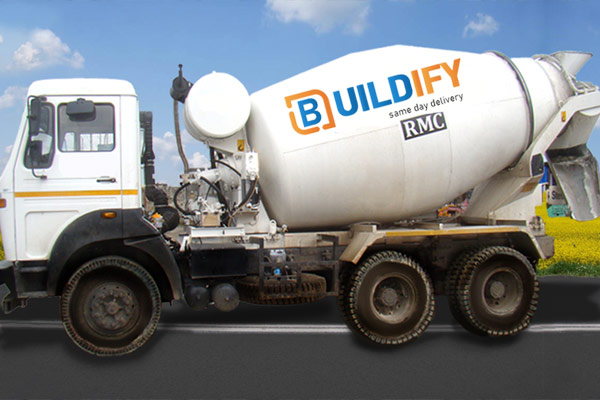
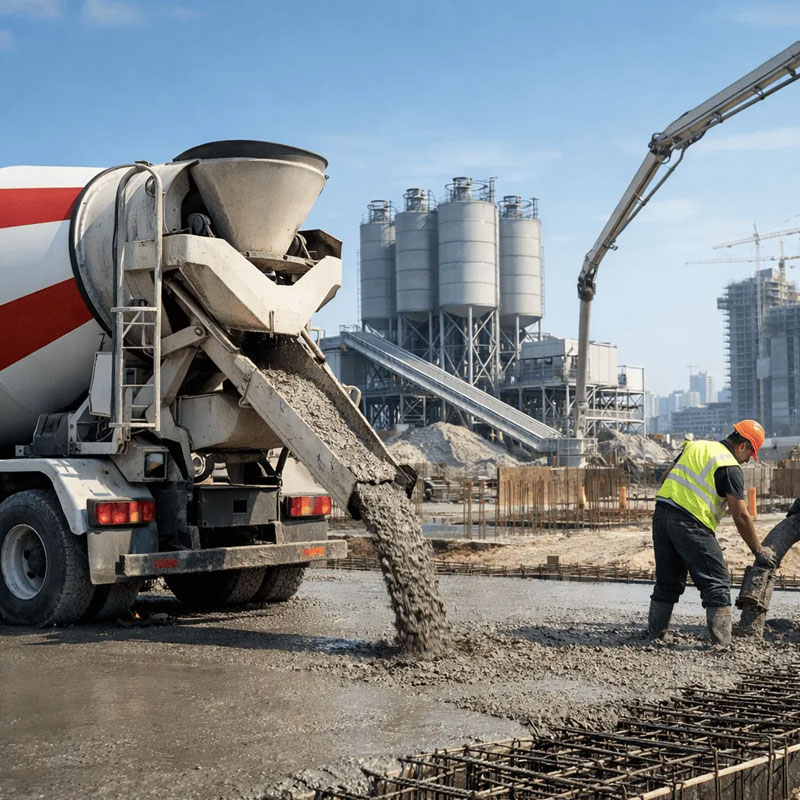
The wet, blended concrete discharges directly into an insulated transit mixer truck, which rotates constantly to prevent material separation.
Step 5: Site Pumping
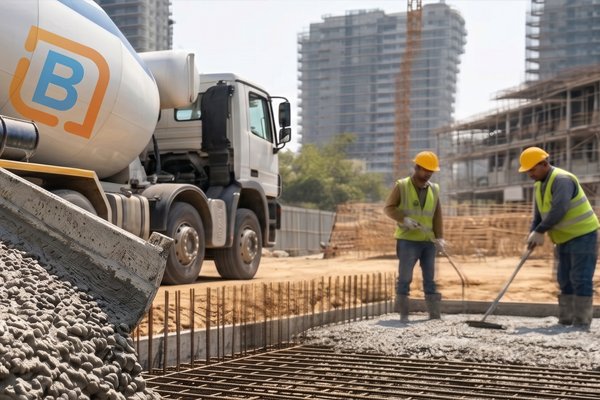
The mixer truck arrives on-site and feeds our heavy-duty concrete pumps, moving the material directly onto upper floors or deep foundations within minutes.
Common Concrete Grades,
which structural class do you require?
Ready Mix Concrete is ordered by its certified strength class. The letter 'M' stands for the mix recipe, and the number shows its minimum compressive strength in Newtons after curing for 28 days:
M10 to M15 Mixes
Lean Concrete Grades
Strength: 10-15 N/mm²
Mainly used for levelling beds beneath heavy foundations, boundary wall footings, or lean base flooring where high structural loads aren't required.
M20 to M25 Mixes
Standard Framing Grades
Strength: 20-25 N/mm²
The standard choice for modern residential properties. Perfect for pouring internal structural pillars, load beams, and multi-story roof slabs.
M30 to M40+ Mixes
High-Performance Grades
Strength: 30-40+ N/mm²
Engineered for high-load settings like commercial high-rises, deep basement foundations, heavily used commercial driveways, and industrial floors.
Quick Pro-Tip: For standard residential roof slabs, an M25 grade concrete mix is highly recommended by structural engineers. It provides an ideal balance of flowability, density, and weather resistance. Need help calculating cubic meters? Reach our engineering team at +91-9999253084.

Buildify Ready Mix Concrete vs. Traditional On-Site Hand Mixing
See how factory-batched concrete compares to traditional hand-mixing on a real job site:
| Performance Metric | Buildify Factory RMC | Traditional Site Mixing | Standard Hand Mixing |
|---|---|---|---|
| Proportion Control | Automated Weigh-Sensors | Volumetric Box Estimates | Shovel Counts (Inaccurate) |
| Mix Consistency | Perfect across all loads | Varies batch to batch | Very low consistency |
| Pouring Speed Rate | Ultra-Fast (Pumper Lines) | Standard Lift Speed | Slow (Manual Buckets) |
| Raw Material Storage | Zero space needed on site | Requires major space blocks | Blocks public roads |
| Water-Cement Accuracy | Strictly Controlled by Sensor | Adjusted by eye on-site | High variance risks |
| Labor Cost Expenses | Lowest (Minimal crew needed) | High crew requirements | Highest labor hours |
Technical Standards Compliance (IS 4926 Configuration)
| Tested Parameter | Certified Specification Benchmark | Structural Role Significance |
|---|---|---|
| Available Mix Grades | M10 up to M50 Heavy Duty Options | Meets code designs from simple floors to high-rises. |
| Cement Material Bases | OPC 43 / OPC 53 / Premium PPC Variants | Chosen based on target strength requirements. |
| Aggregate Configurations | Machine graded 10mm & 20mm angular stone | Ensures tight particle interlocking for dense concrete. |
| Slump Performance Range | 80 mm to 140 mm custom options | Tailored for easy pumping through high-reach lines. |
| Admixture Chemistries | IS 9103 Certified Superplasticizers | Extends mix workability for predictable transit windows. |
| Batching System Control | Fully Computerized SCADA Plant Control | Guarantees exact ingredient measurements down to the kilogram. |
| National Bureau Standard | IS 4926 / IS 456 Quality Certified Layout | Fully approved for code-compliant structural inspections. |
| Delivery Configurations | High-Capacity Transit Mixers & Concrete Pumps | Ensures direct, mess-free delivery right to your forms. |
Common Ready Mix Concrete Myths
| Myth | Fact |
|---|---|
| RMC starts drying during transport and loses final strength. | Our transit mixers keep the concrete moving constantly to prevent separation. We also include specialized retarder admixtures that safely extend workability for up to 2-3 hours without affecting the final strength. |
| RMC is only economical for massive commercial infrastructure works. | While great for large projects, RMC saves independent home builders significant time and labor expenses while eliminating material theft, making it highly cost-effective for private homes. |
| You can add extra water on-site to make the concrete flow easier. | Adding extra water on-site destroys the design strength ratio and leads to surface cracks. If you need a more fluid mix, our plant adjusts the recipe using certified plasticizing agents before dispatch. |
| RMC doesn't require standard water curing after being poured. | RMC gains structural strength through the same hydration process as standard concrete. Once poured and set, the surfaces must undergo regular water curing to achieve their full design durability. |